At the time, each thing looked separate.
A rude comment.
A double standard.
A delayed reply.
A plan I wasn’t told about.
A small dig at what I believed in.
A criticism about my appearance.
A moment where I was made to feel unreasonable for asking a basic question.
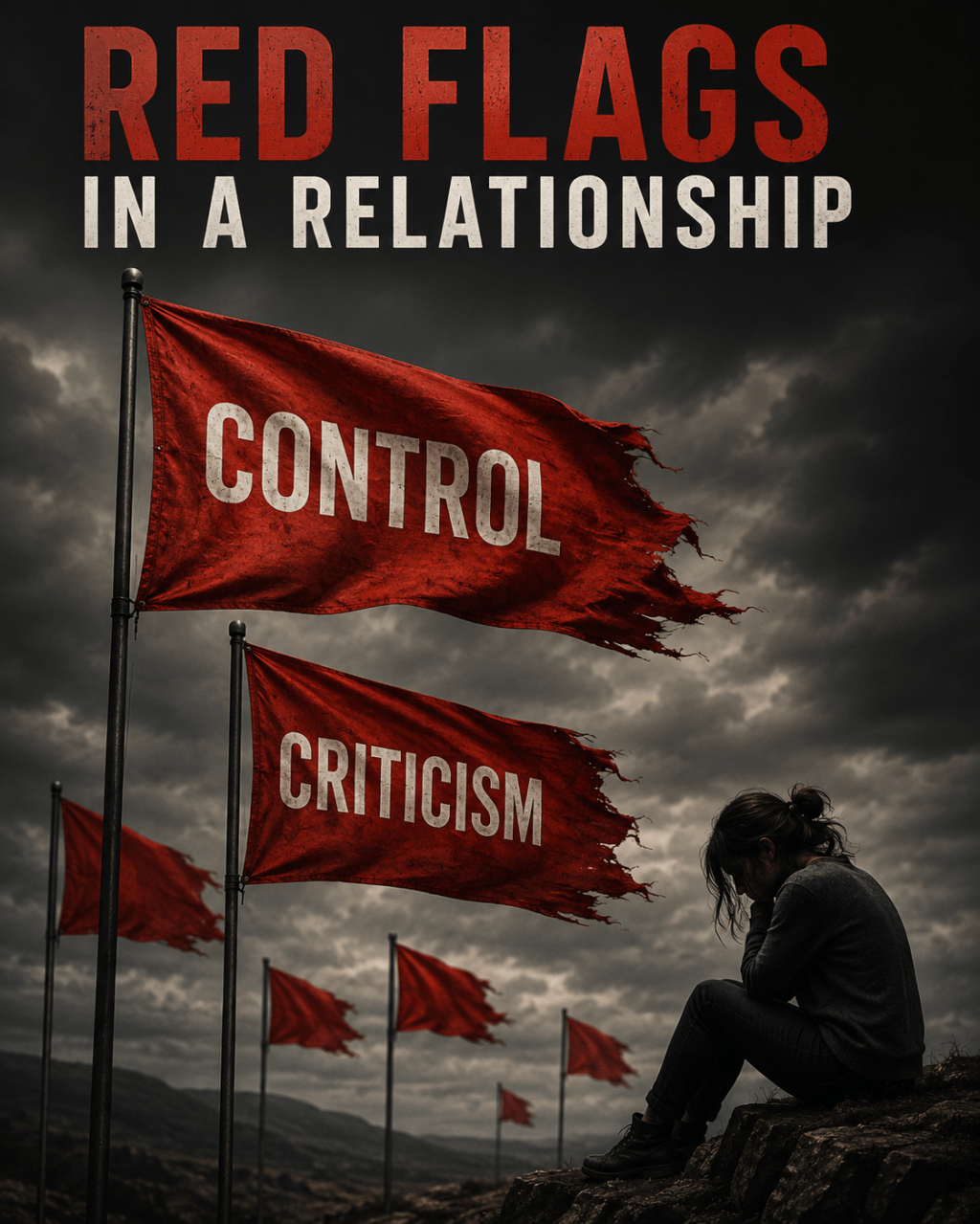
But when I put them all together, there was one big theme running through it.
Control.
Not the obvious kind where someone says, “You can’t do that.”
This was more under the radar.
1. He decided when I fitted into his life
He controlled when he was going to “fit me in” to his plans. I was expected to work around him.
2. Different rules for him and me
If I didn’t reply to his message quickly enough, I’d be questioned.
If he didn’t reply for much longer and I questioned him, I’d be belittled.
3. I didn’t exist on his social media
He was active online, but there were no posts of us together. Looking at his social media, you wouldn’t even know he had a girlfriend.
4. He belittled my interests
He mocked or dismissed things I was interested in or believed in, including the paranormal, yet he expected me to listen to him talk about topics that weren’t high on my priority list.
5. He criticised my appearance
Too skinny. Critical of my clothes. Comments on how I looked, yet he was no fashion expert himself. Hypocritical and controlling.

6. He decided what support I deserved
He only offered “emotional support” for what he decided was worthy of support, regardless of what I actually asked for.
7. Dismissive in private, image-focused in public
In private, he could be dismissive. In public, he wanted recognition. Ego and control again.
8. He made plans and didn’t tell me
He’d make plans and not tell me. Then if I said, “I didn’t know, you didn’t tell me,” the answer would be, “I don’t need to tell you everything.”
Technically, no, you don’t need to tell someone everything.
But if you are in a relationship and you keep someone outside your plans, then get angry when they notice, that’s not independence.
That’s control with better lighting.
9. He wanted relationship benefits without relationship respect
He expected girlfriend-level loyalty, patience, attention, and emotional investment, but basic relationship respect was treated like too much to ask.
10. He taught me not to bring things up
Not by saying, “Don’t talk to me about this.”
But by making the cost of bringing things up too high.
Belittling.
Criticism.
Mocking.
Turning simple conversations into something unpleasant.
So eventually, you stop raising things. Not because they don’t matter, but because you already know how it will go.
That’s control too.
And the sneaky part is, controlling people do not always look controlling at first.
Sometimes they are charming.
Sometimes they seem confident.
Sometimes they present themselves as easygoing.
Sometimes they make you feel like you are the one being difficult for asking for normal respect.
Psychologically, control often shows up as double standards, criticism, selective support, withholding information, dismissing your interests, and making you doubt whether your needs are reasonable.
It does not always start with big dramatic moments.
Sometimes it starts with you slowly adjusting yourself.
You stop asking certain questions.
You stop bringing up certain topics.
You stop expecting certain things.
You start measuring your words because you already know how he’ll react.
That is not peace.
That is you learning the rules of someone else’s control.
Looking back, it was never just about late replies.
It was never just about social media.
It was never just about criticism.
It was never just about not being told plans.
It was the pattern.
And the pattern was control.
That’s the red flag: when basic respect only exists on his terms.

 Roaming Towards Myself
Leave a comment